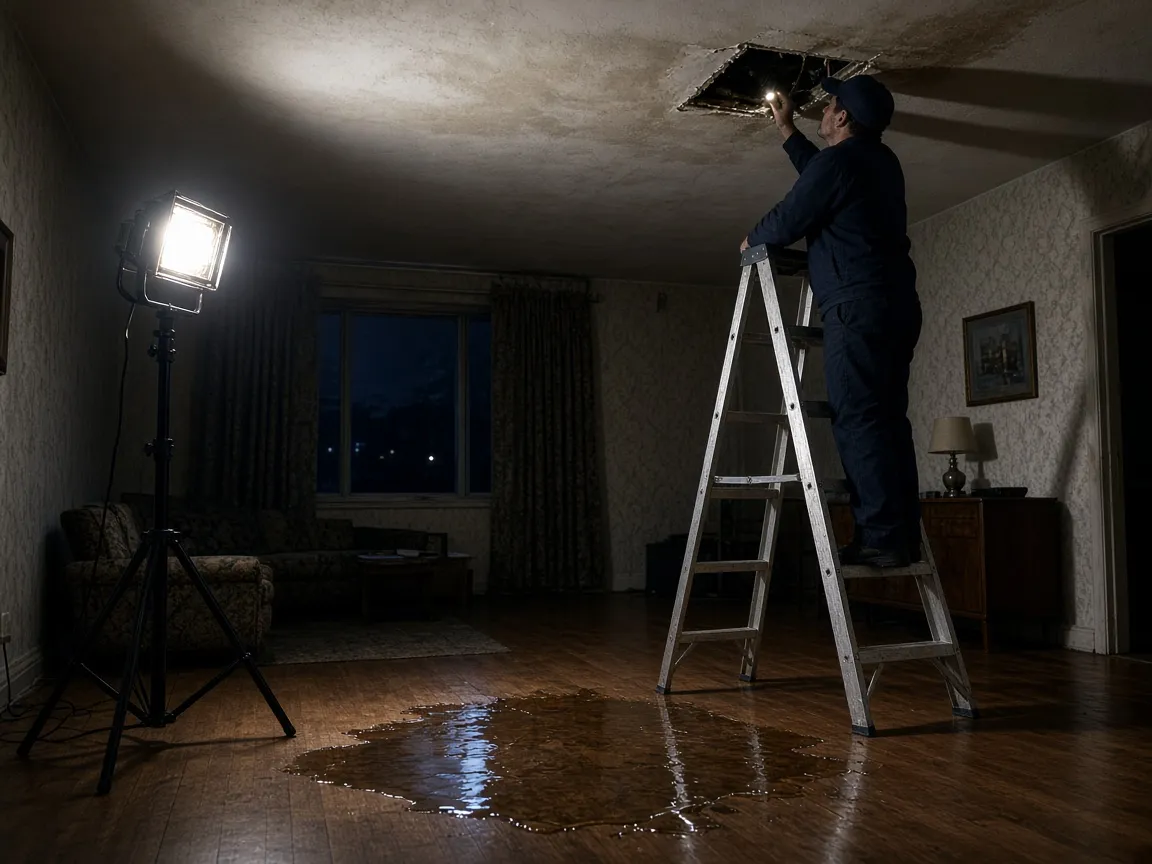
0–6 hours
Hour 6
Water is still spreading through subfloor and wall cavities.
Still salvageable: Hardwood · Drywall · Insulation · Cabinetry · Carpet + underlay
Water category: 1 — clean
Most of this is still recoverable. That changes tomorrow.
Metro Vancouver · 24/7
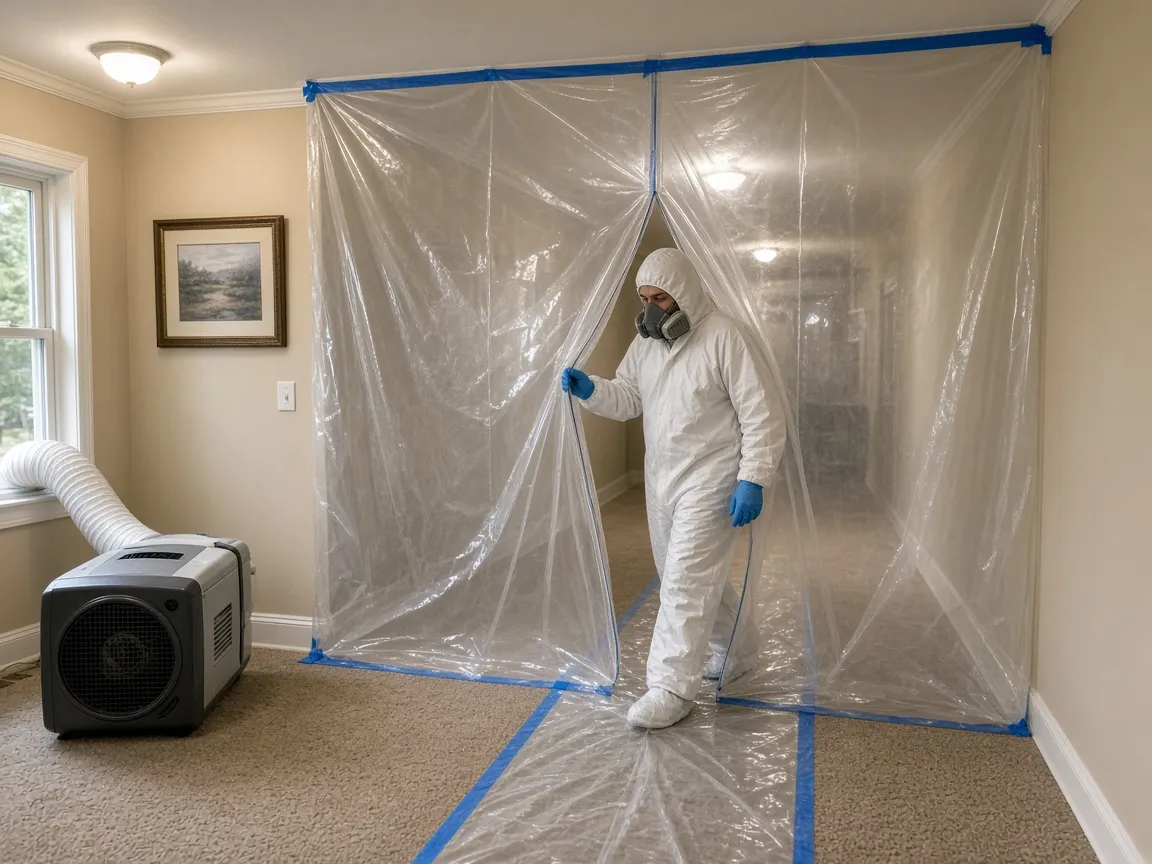
Containment, negative air, and HEPA. The 24–48 hour window after water is when mould work becomes likely.
How long has it been wet?
These bands are what water does to a building as the hours pass, shaped by IICRC S500 guidance and the jobs we run. Not a countdown — the hour a given material turns depends on how much water there was, how warm the room is, and what the water was carrying. Use it to work out which job you have, then call whichever band you are in.
0–6 hours
Water is still spreading through subfloor and wall cavities.
Still salvageable: Hardwood · Drywall · Insulation · Cabinetry · Carpet + underlay
Water category: 1 — clean
Most of this is still recoverable. That changes tomorrow.
6–24 hours
Absorption into subfloor and cavities. Carpet underlay at risk.
Still salvageable: Hardwood · Drywall · Insulation · Cabinetry
At risk: Carpet + underlay
Water category: 1 — degrading
The underlay is the first material we usually lose. Call while the rest is still a drying job.
24–48 hours
Mould growth begins in this window. Drywall and insulation at risk. Category 1 becomes Category 2.
Still salvageable: Hardwood · Cabinetry
At risk: Drywall · Insulation · Carpet + underlay
Water category: 2
This is now a remediation job, not a drying job. Call.
48–72 hours
Insulation typically lost. Hardwood cupping. Cabinetry swelling.
At risk: Hardwood · Cabinetry · Drywall
Typically lost: Insulation · Carpet + underlay
Water category: 2
We can still dry the structure. Some finishes will not return to what they were.
72 hours and after
Structural drying takes materially longer. Mould remediation likely required. Category 3 possible.
At risk: Hardwood · Cabinetry
Typically lost: Insulation · Carpet + underlay · Drywall
Water category: 2–3 possible
Call anyway. The log still has to close. Waiting does not make the invoice smaller.
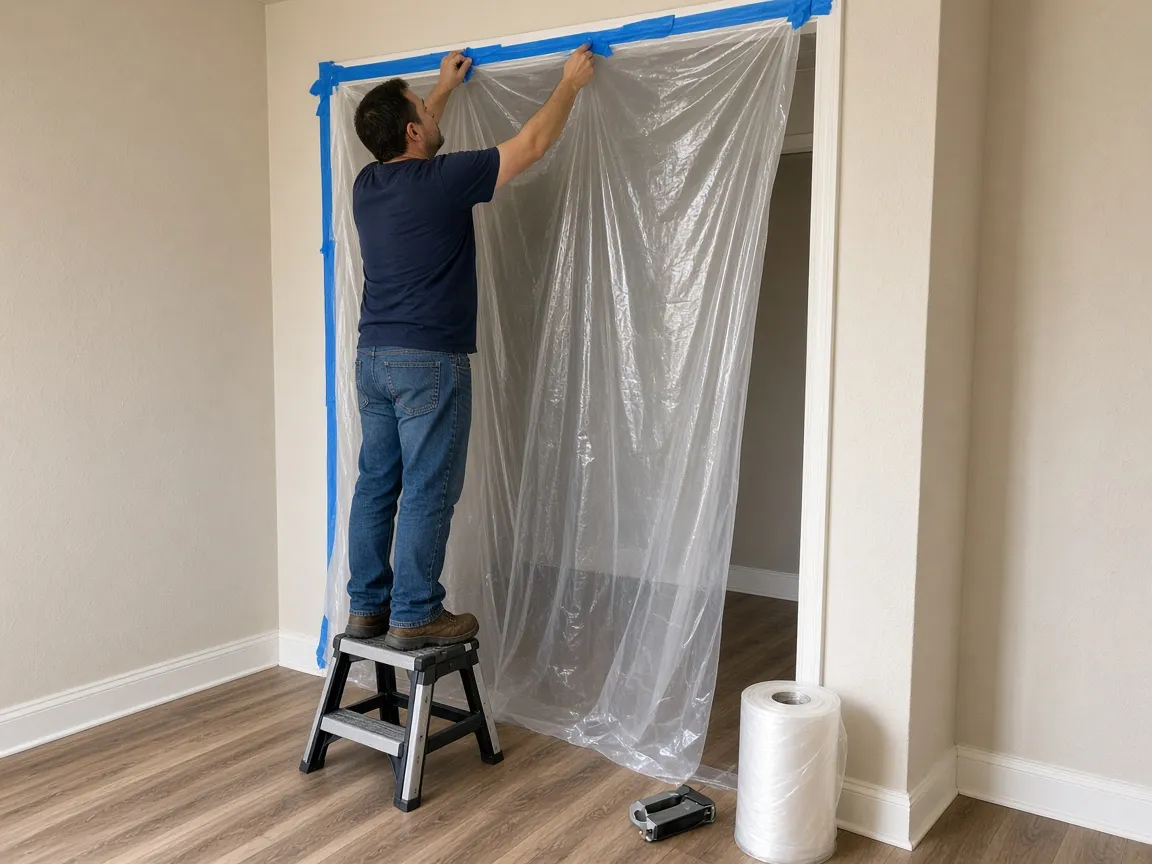

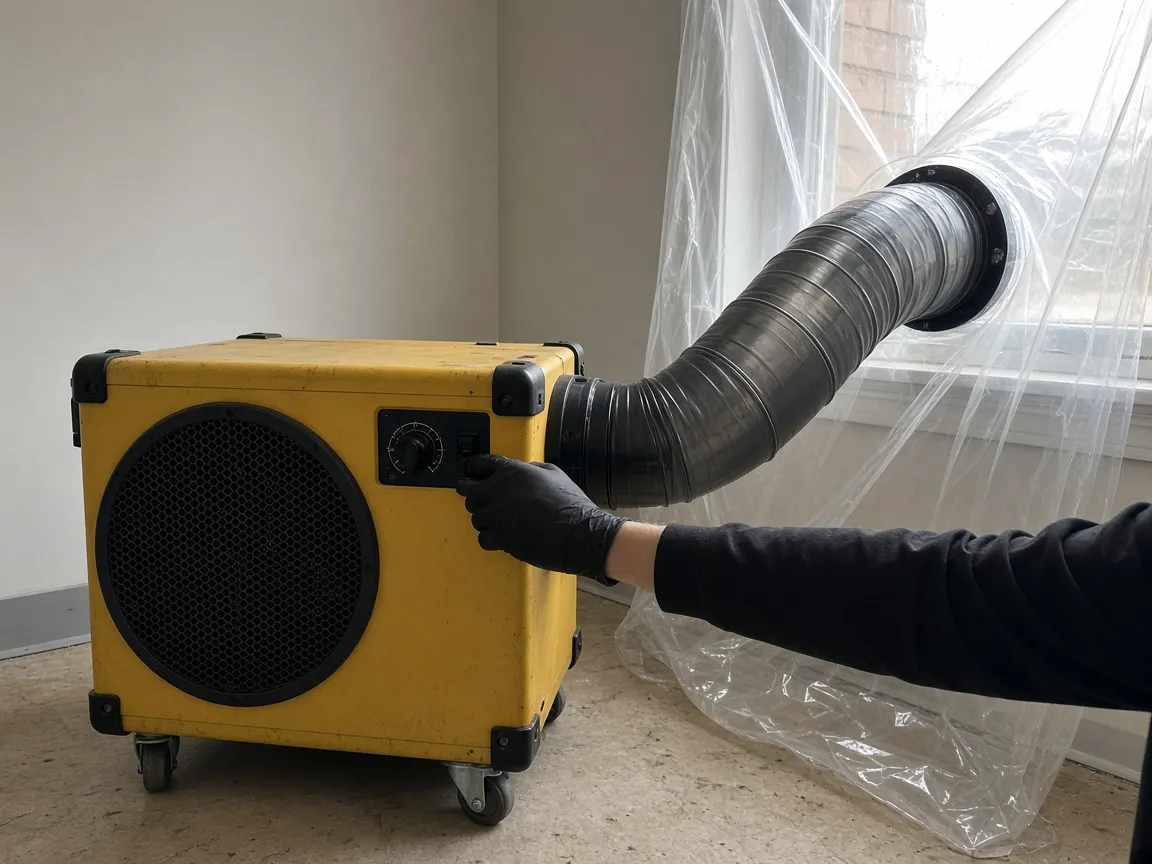
IICRC S500 guidance puts the growth window at 24–48 hours in wet building materials. That is why overnight extraction matters.
Visible growth and a known water event often do not need a test to start containment. Testing is used when the source or extent is unclear. We do not sell tests you do not need.
The work area is held at lower pressure than the rest of the building so spores do not travel. Exhaust is HEPA-filtered.
No. Porous materials that stay wet often have to come out. Cleaning a stain without drying the cavity is how it returns.
WorkSafeBC for worker protection, plus municipal bylaws. We work inside those rules. Ask for licence numbers on the invoice or when the van arrives.
Depends on the area, HVAC, and who lives there. We will say so on arrival. If sewage is involved, treat it as Category 3 and keep out.
We answer 24/7 — a person, not a service. If you would rather not talk, tell us what happened in four taps and we will call you.